Every traveler solves the same problem at the airport: how do I get data without paying a fortune? There are three real options, and the right one depends on your trip. Here is the honest comparison.
Option 1: Roaming with your home carrier
Roaming is the zero-effort option. Your phone just works when you land, and for very short trips that convenience can be worth it. The catch is price. Daily roaming passes typically cost $5 to $12 per day, and pay-as-you-go roaming can reach several dollars per megabyte with some carriers. A two-week trip on a $10/day pass is $140 before you have opened a single map.
Roaming makes sense when your trip is one or two days, your carrier includes roaming in your plan, or you only need calls and the occasional message.
Option 2: Buying a local physical SIM
A local prepaid SIM is often cheap per gigabyte, but the full cost is higher than the price tag. You need to find a shop after landing, often show your passport, sometimes navigate a registration process in another language, and your home SIM spends the trip in your pocket, which means missed calls and locked-out verification codes for banking apps.
A local SIM makes sense for long stays, a month or more in one country, where the per-GB price advantage has time to pay off.
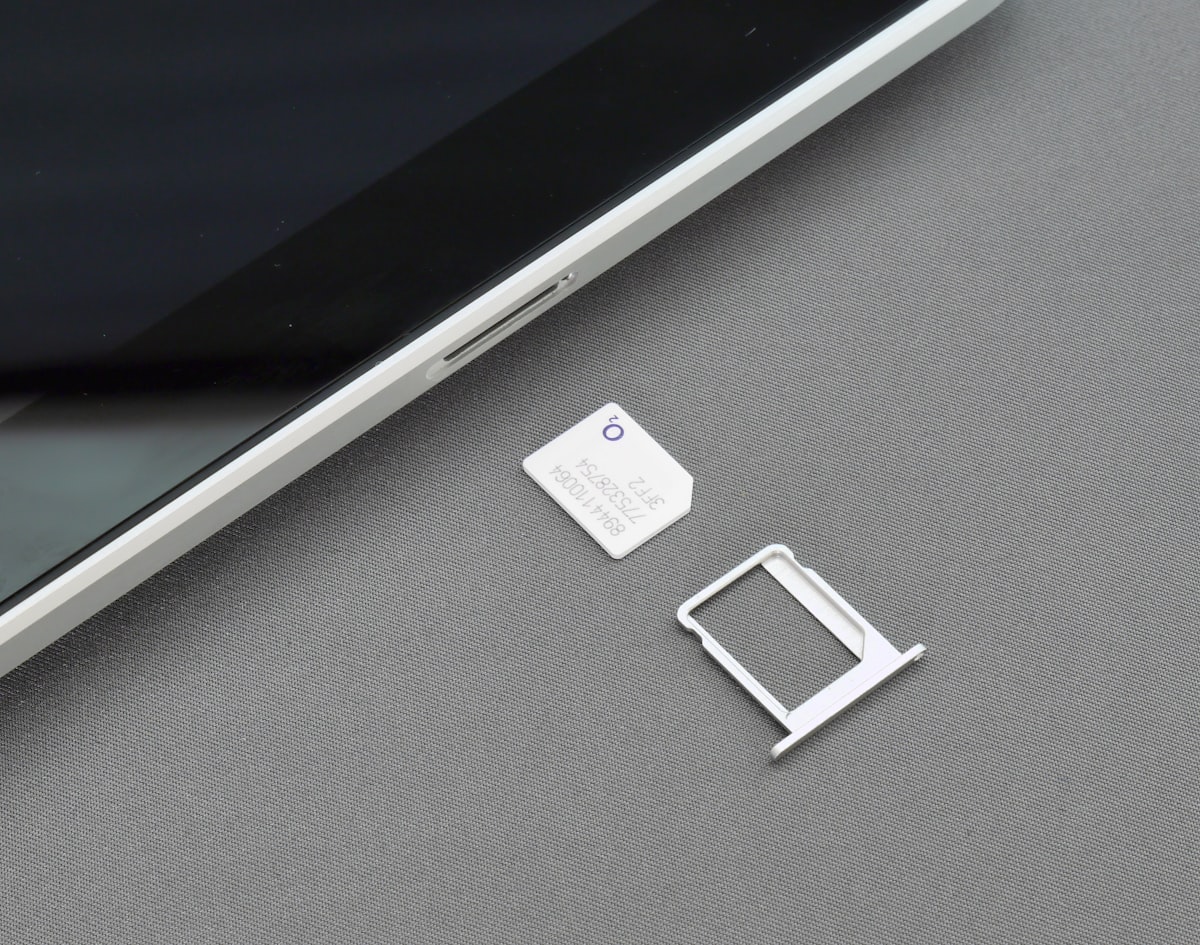
Option 3: A travel eSIM
An eSIM is a digital SIM you install before you fly. You buy a plan online, scan a QR code or tap an install link, and data starts working when you land. Your home SIM stays active for calls and verification texts, and there is nothing physical to swap or lose.
Typical travel eSIM data plans cost a few dollars for a short trip and scale up for heavier use. For most trips between 3 days and a month, this is the cheapest option that requires no effort on arrival.
The quick decision guide
- 1-2 day trip, light use: roaming is fine if your carrier's daily rate is reasonable.
- 3 days to a month: a travel eSIM almost always wins on price and convenience combined.
- Over a month in one country: consider a local SIM, or a large eSIM plan if you value keeping your home number reachable.
One thing people forget
Whatever you choose, decide before you fly. Airport SIM kiosks charge a premium, and setting up an eSIM over hotel Wi-Fi after a long flight is nobody's favorite activity. An eSIM installed at home, before departure, activates only when you start using it in most cases, so there is no penalty for being early.
Ready to compare real prices for your destination? Browse Telisco plans by country, prices are shown upfront with no surprises.
Compare real prices for your destination
Plans for 190+ destinations with prices shown upfront, no surprises at checkout.
Browse eSIM plans →Frequently asked questions
Does a travel eSIM replace my phone number?
No. Your home SIM and number stay active in the phone, the eSIM only carries your data. You keep receiving calls and verification texts as usual.
Will WhatsApp still work with my normal number?
Yes. WhatsApp is tied to your account, not to which SIM provides the internet, so it keeps working with your existing number over the eSIM's data.
Do I need an unlocked phone?
Yes, the phone must be carrier-unlocked to use any third-party SIM or eSIM. Phones bought outright are typically unlocked; phones on an installment plan sometimes are not, check with your carrier.
When should I buy and install the eSIM?
Before you fly, over home Wi-Fi. With Telisco plans the validity period starts when the eSIM first connects at the destination, so buying early costs nothing.
Can I avoid all roaming charges from my home carrier?
Yes, turn OFF data roaming on your home SIM line and leave it on only for the travel eSIM. Your home carrier then carries no data at all while you travel.