If you have never used an eSIM, it is fair to ask whether a SIM card that exists only as software is as safe as the plastic one you can hold. The short answer: yes, and in several ways it is safer. Here are the straight answers to the questions we hear most.
Can an eSIM be hacked?
An eSIM is not a file sitting in your phone's storage. It lives in a dedicated secure chip (the eUICC) that is isolated from the rest of the phone, the same class of hardware that protects contactless payments. Installing a profile requires a one-time activation code, and a code can typically be used only once. There is no realistic way for a website or app to read or copy your eSIM.
What happens if my phone is stolen?
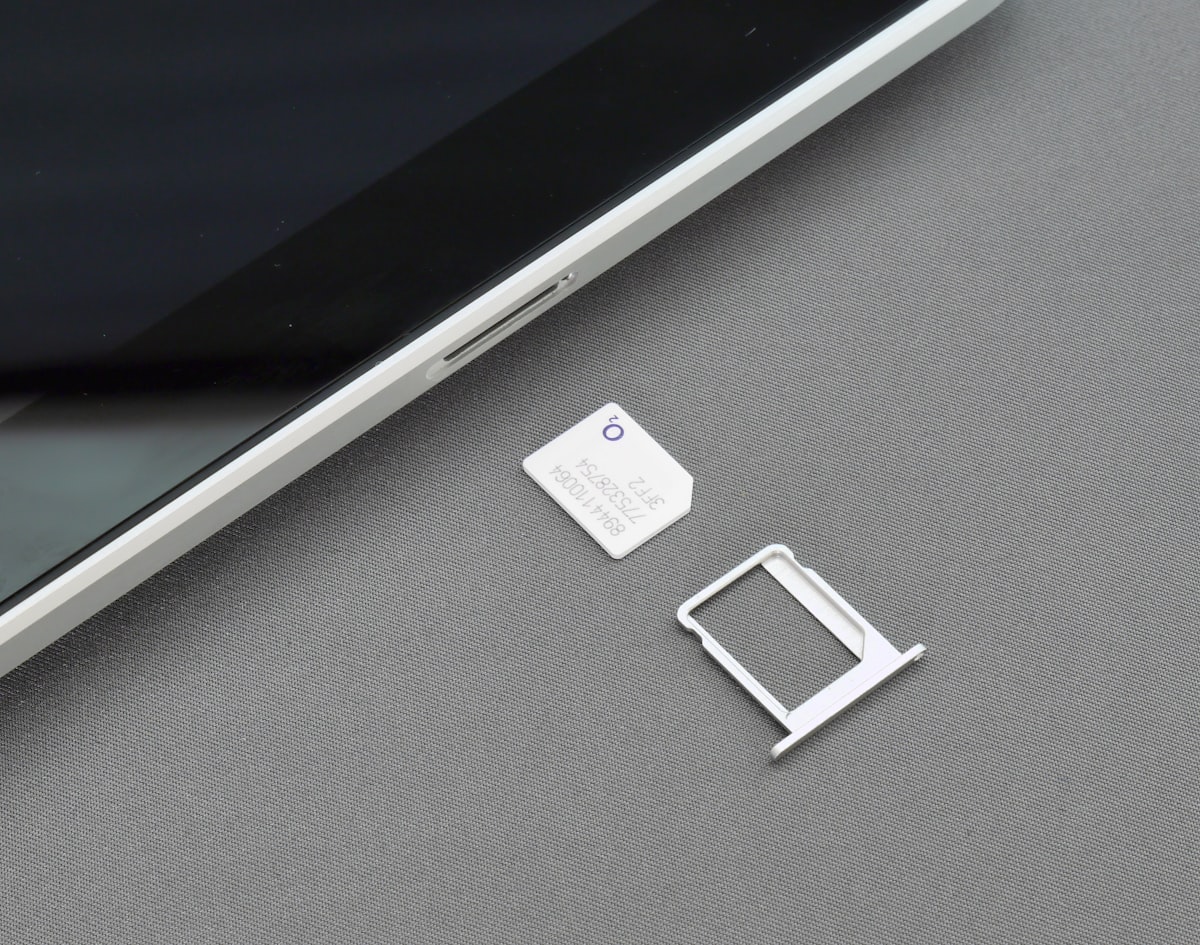
This is where eSIM clearly beats plastic. A thief can pop a physical SIM out in seconds and use it in another phone, receiving your calls and your verification texts. An eSIM cannot be removed without unlocking the phone. Combined with a lock screen and Find My / Find My Device, your number stays yours.
What about SIM swapping attacks?
SIM swapping, where an attacker convinces a carrier to move your number to their SIM, targets the carrier's customer service process, not the SIM technology. It affects physical SIMs and eSIMs equally. The defense is the same for both: use app-based two-factor authentication where possible and set a PIN or password with your home carrier.
Does a travel eSIM see my data?
A travel eSIM provider routes your internet traffic the same way any mobile network does. The protection that matters is encryption: banking apps and any site with https encrypt your traffic end to end regardless of the network carrying it. Using a travel eSIM is no different from using your home carrier in that respect, and considerably safer than open hotel or cafe Wi-Fi, which is where travelers actually get burned.
Privacy perks people overlook
- Your travel eSIM has its own number and identity, your home number is not exposed to every local service you use.
- No handing your passport to a SIM kiosk clerk, your purchase is a normal online order.
- When the trip ends, the plan simply expires. You can delete the profile whenever you like.
The bottom line
eSIM technology is the standard the industry is moving to, the newest phones in several markets ship with no SIM tray at all. For travelers it removes the two oldest risks, a stolen card and a sketchy kiosk, and adds none. If you are comfortable buying anything online, you are comfortable enough for an eSIM.
Have a security question we did not cover? Ask us at [email protected]. Or see how simple the setup is in our step-by-step guide.
Ready to try an eSIM?
Instant email delivery, no kiosks, no paperwork, and your home number stays untouched.
Browse eSIM plans →Frequently asked questions
Can someone copy my eSIM to another phone?
No. The profile lives in a secure chip and the activation code that installed it normally works only once. There is no file that can be copied out.
If I sell or trade in my phone, what happens to the eSIM?
Delete the eSIM profile before handing the phone over, it takes seconds in SIM settings. A factory reset removes it as well.
Is buying an eSIM online safe?
As safe as any online purchase: payment is handled by established processors, and your eSIM is delivered by email, there is no account credential to steal at a kiosk.
Does an eSIM protect me on public Wi-Fi?
Using mobile data instead of open Wi-Fi is itself the protection, your traffic goes through the mobile network rather than a router anyone in the cafe can touch.
Can I use two-factor authentication while traveling?
Yes, and smoothly: your home SIM stays in the phone and keeps receiving verification texts, while the eSIM carries the data. This is a real advantage over swapping physical SIMs.